


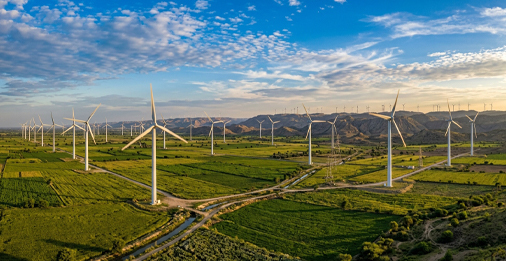
What if the wind passing over your rooftop was able to cover your electricity costs instead of just making your windows rattle? Well, this question is becoming more and more tangible every day. Wind Energy Solutions in Pakistan are evolving from huge projects near the coasts to small-scale solutions used by households, farmers, and local businesses all around the country.
Pakistani coastlines are part of the most untapped wind corridor in the world. Sindh and Balochistan coastal zones are estimated to have more than 50,000 MW of wind energy potential. However, Pakistan has been using just a tiny fraction of it. Given the high costs of fuel imports and frequent power outages even in big cities, the reliable Wind Energy Solutions in Pakistan provide an opportunity to produce energy on your own, instead of relying on the overburdened grid.
This guide walks you through when wind power makes sense, what it actually involves, why it matters for Pakistan right now, and how you can get started.
What Are Wind Energy Solutions
Wind energy solutions can be defined as devices that utilize flowing air to produce electricity. Within the broader field of renewable energy, this technology encompasses everything from huge wind farms connected to the power grid to small vertical wind turbines mounted on rooftops or backyards.
As far as residential and commercial solutions go, current systems incorporate vertical axis wind turbines, which can generate electricity even at very low wind speeds of 2.5 m/sec. Such devices are relatively quiet, producing no more than 45 dB, highly reliable, withstanding strong gusts of wind (up to 52.5 m/sec), and can vary greatly in capacity from 100W to 10 kW.
The History of Wind Power in Pakistan
The history of Wind Energy Solutions in Pakistan is much older than one might think. Some primitive wind energy equipment was already being used in the area even in the 9th century. The modern history of wind energy started in 2002 when the Jhimpir Wind Power Project, a 50 MW plant, laid down the groundwork for the Gharo-Jhimpir wind corridor in Sindh.
Since then, more than two dozen projects have been completed, ranging from the Three Gorges wind projects to the Fauji Foundation wind plants near Karachi. However, until 2018, the total wind energy capacity stood at 1,287 MW only. Today, solar power has expanded faster, but wind remains a largely untapped resource with enormous room to grow.
Why Pakistan Needs Wind Energy Solutions Now
The current power situation in Pakistan is quite dependent on imports of fuel. About 45 percent of electricity generation in Pakistan relies on fossil fuels, while the natural gas resources are diminishing at a rate of about 10 percent annually. Such circumstances cause instability in electricity pricing, along with frequent increases in costs for consumers.
Wind power provides an opportunity to resolve the situation. This form of energy can generate some of the least expensive electricity of any resource in the world, with the cost of 37 dollars per megawatt-hour in 2025. At the same time, wind power emits only 11 grams of carbon dioxide per kilowatt-hour.
When it comes to Pakistan, the numbers are convincing. According to some estimates, the potential energy generated from the coastal winds of Pakistan stands at around 300,000 MW. Any small percentage will significantly lessen the burden of power shortage and the dependency on foreign LNG and oil imports.
Wind Energy Solutions in Pakistan would help you benefit from the incentives provided by the Government of Pakistan. Pakistan Government has set a target of achieving 60 percent of energy from renewables by 2030. You can read more about how net metering policy works for renewable energy users.
When Wind Power Makes Sense for You
Wind energy works best for properties with consistent airflow and enough open space for a turbine. Good candidates include:
- Homes in coastal areas or open plains with steady wind exposure
- Farms and agricultural land where wind speeds average 5 meters per second or higher
- Commercial or industrial sites looking to cut grid dependence
- Remote properties where extending the grid is expensive or impractical, similar to the case for off-grid solar systems
If your area regularly faces load shedding Hybrid Solar Systems: Solving Load Shedding in 2026, pairing wind with solar and battery storage can keep your home or business running day and night.
Where Wind Energy Works Best in Pakistan
The coasts of Sindh and Balochistan are still the best wind areas in the country, with an average speed higher than 7 meters per second at some points in the Gharo-Jhimpir belt. However, small vertical axis wind turbines are better suited for use even in those places where a normal wind turbine cannot be used because of poor wind conditions.
The only way of finding out whether there is enough wind available in your particular area is through a site survey. This is also where a hybrid wind and solar setup often makes more sense than wind alone, since solar can cover the gaps when wind speeds drop.
How Wind Energy Solutions Work
Setting up a wind power system generally follows four steps.
Initial consultation. You discuss your energy needs and site details with a provider to see if wind power fits your situation.
Site assessment. Experts measure wind speed and patterns at your location to recommend the right turbine size and placement.
Custom design and installation. The turbine is installed based on your site’s specific wind profile, often alongside battery storage to store excess power for later use.
Ongoing maintenance. Regular checks keep the system running at peak efficiency, with most turbines built for a 20-year lifespan and backed by a 5-year manufacturer warranty.
Wind vs Solar: Quick Comparison
Factor | Wind Power | Solar Power |
Best location | Coastal or open, windy areas | Almost anywhere with sun exposure |
Generation time | Day and night, if the wind is steady | Daylight hours only |
Space needed | Vertical footprint, less roof space | Larger roof or ground area |
Noise | Under 45 dB(A) for modern units | Silent |
Maintenance | Low, with a 20-year design life | Low, with 25+ year panel life |
Upfront cost | Moderate to high depending on size | Lower for small residential systems |
Many properties get the best results by combining both, since solar and wind tend to balance each other across different times of day and weather conditions.
How to Get Started
Installation of a wind energy system does not have to be difficult. Begin with a consultation to provide information about your location and energy requirements. Following that, a site survey will indicate if wind, solar, or a combination system is best suited for your property. After selecting your system, the installation and maintenance of the system can only be done by a qualified service provider.
Conclusion
Pakistan boasts an exceptionally abundant and untapped potential when it comes to wind energy, and now the time has come when its benefits can be harnessed at the household level, beyond large-scale installations. With factors such as reduced electricity bills, governmental subsidies, and decreased carbon footprint, the rationale behind wind power becomes even more compelling.
If you are ready to explore what a custom wind setup could do for your property, share this guide with someone facing the same high electricity bills, or visit Feroze Power to start your free consultation today.
Faqs
1. How much do Wind Energy Solutions in Pakistan cost?
The cost depends on the size of the turbine used and the requirements at the site, and ranges from small-sized turbines meant for residential use to big ones for commercial use.
2. Are there government incentives for wind power in Pakistan?
Yes. The government provides incentives such as tax relief and net metering benefits, among others to encourage Wind Energy Solutions in Pakistan.
3. How much wind speed do I need for a turbine to work?
Most wind turbine systems are installed to operate at rates from 2.5 meters to 5 meters per second, but better results are obtained at a more consistent wind speed, which explains why the installation of most wind solutions in Pakistan begins with an initial survey of the location.
4. Can I sell excess wind energy back to the grid?
Under the net metering policy of Pakistan, most consumers have the facility of selling any excess energy to their respective power company.
5. How long do residential wind turbines last?
The current generation of wind turbines operates for 20 years and comes with a 5-year guarantee from the manufacturer.