


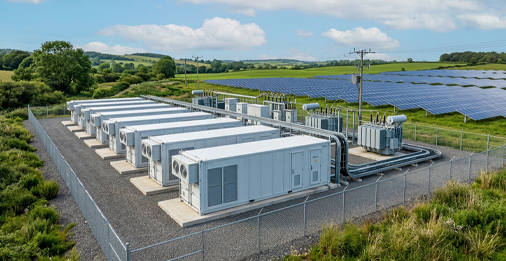
Pakistan’s energy challenges are well known. Long hours of load shedding disrupt domestic life and businesses on a daily basis. Electricity tariffs keep increasing. Although solar panels help, they can only work during daylight hours on their own. There is a need for a solution that keeps a solar system useful even when there is little or no power generation from the panels. A solar battery solves that issue completely. It stores the energy your solar panels generate during the day. Then, it releases that energy at night or during a power outage.
Pakistan imported an estimated 1.25 gigawatt-hours of battery energy storage in 2024. Adoption is increasing in residential, commercial, and industrial sectors. Users are combining solar panels with powerful batteries to reduce grid dependence, lower bills, and improve reliability.
What Is a Solar Battery?
A solar battery is a rechargeable energy storage system designed to store the energy generated by solar panels. This battery is connected to your solar panels and stores excess electricity for later use. It draws in the energy produced by your solar panels. It stores the energy generated by your solar panels, which is then converted from direct current (DC) into Alternating Current (AC) with the help of an inverter for household use. Solar batteries used to be too large and inefficient to be practical within a domestic setting. But now, thanks to technological advances, they are a practical solution to storing solar power.
Solar panels generate electricity when the sun is shining. This renewable energy can be used throughout the day. However, we often need this energy after sunset or during grid outages. Solar batteries solve this issue by storing what was generated and supplying it on demand.
Why Is Solar Battery Storage Important?
Tariffs Keep Rising
NEPRA electricity tariffs crossed PKR 48 per unit in several consumption slabs in 2026. Every unit you draw from the grid costs more than it did last year. A solar battery lets you use stored solar energy instead of expensive grid power. This directly reduces your monthly bill.
Load Shedding Is Still a Daily Reality
Load shedding continues across Pakistan. In many areas, outages last 6 to 12 hours per day. A battery keeps your home or business powered through every outage. You do not need a diesel generator when your backup battery is sized correctly.
Solar Alone Is Not Enough
Solar panels alone deliver only partial energy independence. Without storage, a household typically self-consumes only 30 to 40 percent of the solar energy it generates. The rest is either wasted or exported to the grid at reduced buyback rates. Adding a battery changes this fundamentally.
How a Solar Battery Works
Understanding how a solar battery works helps you make a better buying decision.
Charging During the Day
Solar panels will produce DC electricity all day long. If your solar panels produce more energy than you consume, the excess is stored in your solar battery. Battery management is performed by monitoring the temperature, voltage, and rate of charge.
Discharging at Night or During Outages
When the grid goes down or the sun sets, the battery kicks in automatically. It releases stored energy through your inverter and powers your appliances without interruption. The switch happens within milliseconds. You do not notice any change.
Smart Energy Management
Modern solar batteries include intelligent energy management software. This software learns your consumption patterns over time. It then optimizes when the battery charges and discharges for maximum efficiency and minimum grid dependency.
What Are the Types of Solar Batteries Available?
Choosing the right solar battery chemistry matters. Pakistan’s climate and usage conditions make some options far better than others.
Lithium Iron Phosphate (LiFePO4)
LiFePO4 is the best solar battery chemistry for Pakistani conditions in 2026.
High-quality lithium iron phosphate batteries carry cycle life ratings of 6,000 to 10,000 charge-discharge cycles. This translates to 15 to 20 years of reliable performance. LiFePO4 is the recommended chemistry for Pakistan because it tolerates heat well, requires no maintenance, and delivers consistent performance across its lifespan.
LiFePO4 is also the safest option. It does not overheat or combust under the temperature conditions common in Pakistani summers.
Lithium NMC (Nickel Manganese Cobalt)
NMC batteries store more energy in a smaller space. However, they are less heat-tolerant than LiFePO4. They suit temperature-controlled environments better than open rooftop or outdoor installations in Pakistan.
Tubular Lead Acid
Tubular lead-acid batteries are the most affordable option upfront. However, they require monthly maintenance. They also last only 2 to 3 years under regular use in Pakistan’s climate. Over a 10-year period, their total cost often exceeds that of a LiFePO4 battery.
Hybrid Solar Systems from Feroze Power are designed around LiFePO4 batteries. They combine solar generation, battery storage, and grid connection into one integrated system that handles load shedding automatically.
Who Needs a Solar Battery?
Homeowners
Every home in Pakistan that faces load-shedding issues needs solar batteries. If you have the right system installed in your house, then all your electrical appliances, such as fans, lighting, a refrigerator, and other household devices, will work even during outages without using a generator. Residential solar systems with a solar battery installed deliver true 24-hour energy independence for Pakistani homes.
Offices and Commercial Buildings
Offices lose productivity during every power outage. A battery storage system keeps servers, communications, POS systems, and lighting running through load shedding. The cost of downtime in a commercial setting usually exceeds the cost of a well-sized battery within the first year of operation.
Industrial Facilities
Factories, cold storage units, and processing plants cannot tolerate sudden power interruptions. A battery provides emergency backup and peak demand management simultaneously. Pakistan’s largest industrial solar battery installation to date is a 22.7 MWh system at Lucky Cement’s Khyber Pakhtunkhwa facility.
Remote Properties
Properties in areas without a reliable grid connection need a battery storage system to function independently. Off-Grid Solar Systems built around a correctly sized solar battery provide complete energy independence for remote homes, farms, and facilities across Pakistan.
Key Benefits of Adding a Solar Battery
Continuous Power Through Outages
This is the most immediate benefit of a solar battery in Pakistan. When the grid fails, your battery keeps your home or business running without interruption. You do not need a generator. You do not need to buy diesel.
Lower Electricity Bills
A solar battery increases solar self-consumption significantly. Instead of exporting cheap surplus power to the grid, you store it and use it later. This directly reduces how much expensive grid electricity you purchase each month.
Moreover, every unit you use from your battery instead of the grid saves you the full commercial tariff rate. At PKR 48 per unit, savings add up quickly.
Protection Against Tariff Increases
Pakistan’s tariffs have risen consistently for years. A solar battery locks in a portion of your electricity supply at the cost of solar generation. As grid tariffs increase in the future, your battery system savings grow proportionally at no additional cost.
Net Metering Compatibility
A solar battery works alongside net metering rather than replacing it. During peak solar generation, you fill your battery storage first. Then, any remaining surplus goes to the grid and earns net metering credits. This combination maximizes your financial return from every unit your panels generate.
How to Choose the Right Solar Battery
Choosing the wrong solar battery is a costly mistake. These factors help you select the right one.
Match Battery Size to Your Consumption
Start with 3 to 6 months of electricity bills. Identify how many hours of outages you face daily. Calculate the wattage of the appliances you need to run during those hours. These three inputs determine the minimum battery capacity you need.
Choose LiFePO4 Chemistry
The solar battery technology that should be used in Pakistan’s weather conditions is LiFePO4. It can withstand heat, has a longer lifespan, does not require maintenance, and is safer than other types of solar batteries.
Confirm Inverter Compatibility
Not every battery system works with every inverter. Before purchasing, confirm that the battery communicates correctly with your hybrid inverter using the CAN bus or RS485 protocol. Mismatched systems underperform significantly.
Work With a Qualified Installer
Installation by professionals will make sure that the warranty of your solar battery will be protected, as well as ensure safety compliance. By choosing a professional EPC vendor, your battery setup is properly engineered, safely wired, and commissioned to deliver its rated performance right from day one.
Solar Battery Cost and Payback in Pakistan
What a Solar Battery Costs
The LiFePO4 solar battery prices for residential units within the 5 and 15 kWh range in Pakistan are around PKR 195,000 to PKR 560,000. Commercial LiFePO4 battery prices are much higher, depending on capacity and chemistry.
Solar Battery Size | Technology | Approx. Cost (PKR) | Estimated Lifespan |
5 kWh | LiFePO4 | 195,000 to 280,000 | 10 to 15 years |
10 kWh | LiFePO4 | 350,000 to 500,000 | 10 to 15 years |
15 kWh | LiFePO4 | 500,000 to 750,000 | 10 to 15 years |
5 kWh | Tubular Lead Acid | 80,000 to 130,000 | 2 to 3 years |
Payback Period
Solar with battery storage achieves a payback period of 3 to 5 years in Pakistan’s residential sector. For commercial and industrial users, the payback ranges between 4 and 6 years, depending on battery size and usage requirements.
After payback, your solar battery generates savings for the remainder of its 10 to 15-year lifespan at no additional cost.
Maintenance Costs
LiFePO4 solar batteries require virtually no maintenance. Tubular lead acid batteries require monthly water topping and terminal cleaning. A scheduled solar system maintenance plan from Feroze Power covers inverter health checks, battery performance monitoring, and wiring inspections that protect your solar battery investment year after year.
The Future of Solar Battery Storage
The solar battery market is rapidly evolving.
Key developments include:
Virtual Power Plants (VPP)
Groups of distributed batteries can work together to support the grid and provide additional income opportunities for users.
AI-Powered Energy Management
Smart energy management software can optimize when batteries charge or discharge based on:
- weather conditions
- electricity tariffs
- Household consumption patterns
Electric Vehicle Integration
Electric vehicles are increasingly becoming a part of home solar systems, acting as additional energy storage resources when paired with compatible systems.
Conclusion
A solar battery is no longer a luxury for Pakistani homes and businesses. It is the practical answer to load shedding, rising tariffs, and the limitations of solar-only systems. It stores what your panels generate and delivers it exactly when you need it. Furthermore, it protects you from future tariff increases and reduces your dependence on the grid every single day.
Here at Feroze Power, we assist homeowners and businesses in finding battery systems that cater to their backup requirements. Our team makes sure that each setup is reliable enough to perform well in Pakistan’s demanding energy environment. Contact us now to find out which solar battery setup is right for your property.
Faqs
Q1. What is a solar battery?
A solar battery is a rechargeable battery that is installed along with your solar panel system. The battery stores excess energy produced during the daytime and gives energy at night or when there is a power outage.
Q2. Which solar battery is best for Pakistan?
LiFePO4 (lithium iron phosphate) battery is the best solar battery for Pakistan. This battery works well in hot weather, has a lifespan of 10-15 years, doesn’t require any maintenance, and performs well in Pakistani climatic conditions.
Q3. How long does a solar battery last?
A quality LiFePO4 battery works well for 10-15 years, having 6,000-10,000 charge cycles. A tubular lead-acid battery usually lasts 2-3 years.
Q4. Can a solar battery power my home during load shedding?
Yes. A correctly sized solar battery powers your essential household loads through every load shedding period automatically. The switch from grid to battery happens within milliseconds without any interruption.
Q5. What is the payback period for a solar battery in Pakistan?
Solar with solar battery storage achieves payback in 3 to 5 years for residential users. Commercial users typically achieve payback in 4 to 6 years depending on system size and consumption patterns.