


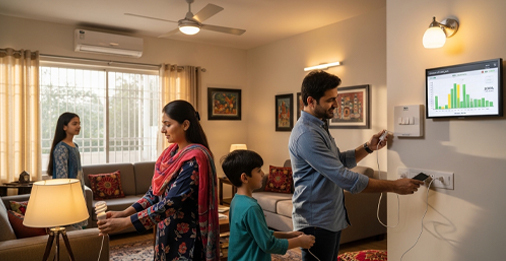
That moment when you open your electricity bill, pause, re-read the total, and wonder how it escalated so high is a familiar experience for many households in Pakistan.
As of 2026, increasing electricity prices remain a challenge in budgeting. NEPRA has fixed the uniform consumer tariff for FY 2025-26 at Rs. 31.59 per unit, and subsequent unit price hikes have been proposed by CPPA-G, making electricity one of the most costly household items. From Karachi to Lahore and other major cities, households are actively searching for ways to reduce electric bills without compromising their comfort levels.
The best part is that there are effective, tried, and tested ways to lower electric bills in Pakistan. This comprehensive guide will take you through the best ways to lower electric bills at home in 2026.
Why Your Bill Keeps Rising in 2026
Understanding the causes of high electricity bills can help consumers target the correct remedies. At the start of 2026, the rising fuel adjustment charges, capacity tariffs, and generation tariffs further escalated the prices of electricity in the Pakistani market.
The cost of producing electricity using furnace oil is estimated to be Rs. 33.56 per unit, which is much higher than the average notified tariff. The inefficiencies in electricity production, transmission losses, and peak demand further contribute to the high monthly electricity bills in Pakistan.
On the home front, space cooling can account for as much as 52% of total power usage, and the phantom load of inactive appliances can add an additional 5% to 10% to your bill.
How to Reduce Electric Bill: 6 Proven Tips
1. Switch to LED Lighting
LED bulbs offer a 25-fold longer lifespan than conventional lamps and use 70% less electricity. One of the simplest and least expensive ways to reduce your electricity costs is to switch out all of your household lights for LED ones. When a room is unoccupied, smart LEDs with scheduling apps ensure that the lights are never on.
2. Upgrade to Inverter Appliances
Since inverter air conditioners adjust the compressor speed based on cooling needs rather than turning on and off, they utilize 30 to 40% less electricity than non-inverter air conditioners. The same idea underlies the operation of inverter refrigerators. This measure alone will pay for itself in two to three years for Pakistani houses who use air conditioning for six to twelve hours every day throughout the summer.
3. Eliminate Phantom Load
Five to ten percent of your home’s electricity is used by standby appliances, each of which does nothing productive. Microwave ovens, chargers, gaming consoles, and televisions are the primary sources of this energy waste. Smart power strips, which automatically cut off electricity when gadgets are not in use, can solve the issue.
4. Shift to Off-Peak Hours
Peak tariff hours in Pakistan are from 6:00 PM until 10:00 PM. Your tariff rate is lowered when you use your dishwasher, washing machine, or iron at other times. In Karachi, where K-Electric abides by NEPRA rules on time-of-use prices, this is among the best strategies for anyone looking to reduce their electricity costs.
5. Optimize Your AC Usage
Keeping your AC set at 24 to 26 degrees Celsius instead of 18 to 20 degrees Celsius can help you save a lot on cooling costs. Every degree below 24 increases the power consumption by 6%. Using your AC in combination with a ceiling fan, which consumes 1/60th the electricity, and changing filters every month can help you keep the airflow going. A properly sized and maintained inverter AC is the most effective appliance to help you reduce your bill.
6. Install Solar Panels
Solar panels are the strongest long-term solution to reduce electricity bills. K-Electric offers net metering services for residential customers, crediting your account for excess solar energy at the NAPPP rate. Many Karachi residents have already reduced their electricity bills by 80 to 90% using rooftop solar panels.
If you are planning to go solar, understanding eligibility, paperwork, and timelines can help you maximize savings. Our detailed guide, How to apply for solar subsidy and government incentives in Pakistan, explains the complete application process step by step.
How to Reduce Electricity Bill in Karachi
Karachi’s constant hot weather and K-Electric’s time-of-use tariff require a specific approach for Karachiites. Here are the most effective tips to cut down your electric bill in Karachi, in particular:
- Harness the power of solar energy with net metering: Karachi’s sunny weather makes rooftop solar one of the best investments you can make. K-Electric gives you credit for your surplus energy at the NAPPP rate, significantly lowering your monthly electric bill.
- Stay off-peak (6 PM to 10 PM): Run heavy appliances such as washing machines and irons during early morning or late night hours to take advantage of lower tariff rates.
- Paint your roof white: A white roof saves 4 to 6 degrees Celsius of indoor temperature, directly impacting your AC load and subsequent electric bill.
- Check your UPS battery: A worn-out UPS battery causes your inverter to consume more power 24/7. Regular monthly battery checks and replacement prevent this hidden cost.
- Use the Apna Meter Apni Reading mobile app: Enter your own electric meter readings to prevent overcharging and estimated bill discrepancies with K-Electric.
To avoid billing errors and keep better track of your monthly usage, you should also read A Complete Guide On How to Check Electricity Bill Online, which explains verified methods for checking bills across all major DISCOs in Pakistan.
Appliance Savings Comparison
Appliance | Standard Model | Efficient Model | Estimated Savings |
Air Conditioner | Non-inverter: approx. 2.0 kWh/hr | 5-star inverter: approx. 1.2 kWh/hr | 30 to 40% |
Refrigerator | Old compressor model | Inverter refrigerator | 20 to 30% |
Lighting | 60W incandescent bulb | 9W LED bulb | Up to 70% |
Washing Machine | Top-load standard | Front-load inverter | 30 to 40% |
Water Heater | Electric storage geyser | Solar or gas geyser | Up to 50% |
While upgrading appliances plays a major role in lowering energy consumption, storage efficiency matters just as much when switching to solar. Choosing the right battery ensures you actually use the energy you generate. This is covered in detail in How to Choose Efficient Solar Batteries for Home Use.
Conclusion
Given the rising electricity rates in Pakistan, thanks to the FY 2025-26 decisions by NEPRA, the need to cut down the electric bill is not an optional requirement anymore. Begin with practices that do not cost anything, like setting your AC to an optimal temperature, using your washing machines during off-peak times, and turning off appliances that suck power silently in the background.
Next, progress towards more intelligent upgrades, like inverter devices and solar panels on your rooftop. With each step you take towards cutting down the electric bill, you will find it easier to manage your monthly budget.
Faqs
Q1: What is the fastest way to reduce electric bills at home?
The quickest no-cost steps to reduce electric bills include unplugging idle devices, setting your AC to 24 to 26 degrees Celsius, turning off lights when leaving rooms, and shifting heavy appliances to off-peak hours. These changes can show up on your very next bill.
Q2: How to reduce electricity bills in Karachi in 2026?
To reduce electric bill in Karachi, install rooftop solar with K-Electric net metering, avoid usage during peak hours from 6 PM to 10 PM, apply a white reflective roof coating, upgrade to an inverter AC, and check your UPS battery health monthly. Karachi's year-round sunshine makes solar the single most impactful investment for local homeowners.
Q3: How much does switching to solar save in Pakistan?
Most Karachi homeowners with a 5 to 10 kW rooftop solar system report cutting their monthly bill by 80 to 90%. With CPPA-G proposing a power purchase price of Rs. 25.69 to Rs. 26.69 per unit for FY 2026, solar payback periods are effectively getting shorter with every tariff increase.
Q4: Does unplugging devices reduce the electricity bill?
Yes. Phantom load from devices on standby can account for 5 to 10% of your total household electricity usage. Unplugging chargers, televisions, and gaming consoles when not in use, or using smart power strips that do this automatically, eliminates the waste entirely.